
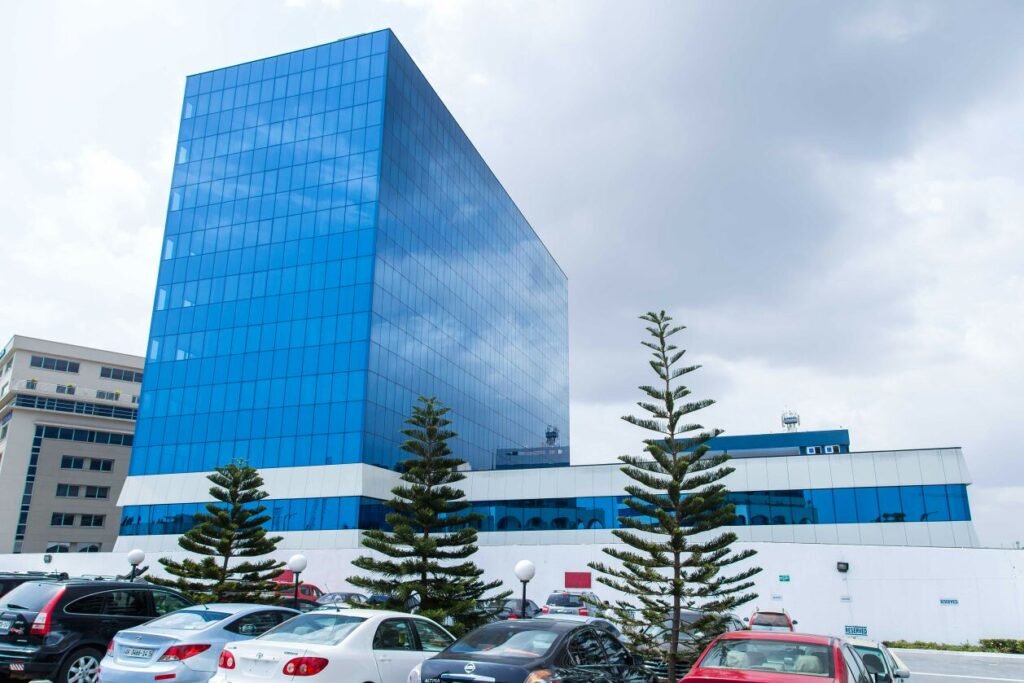
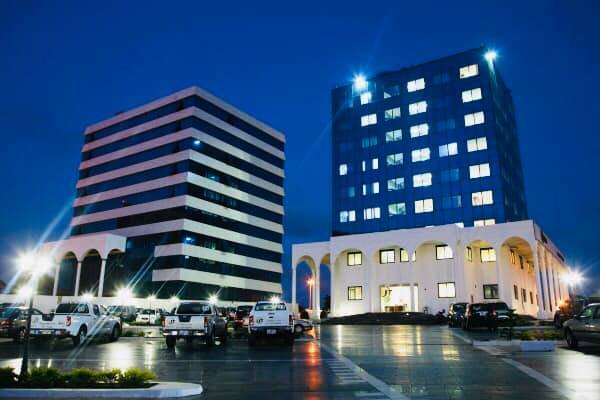
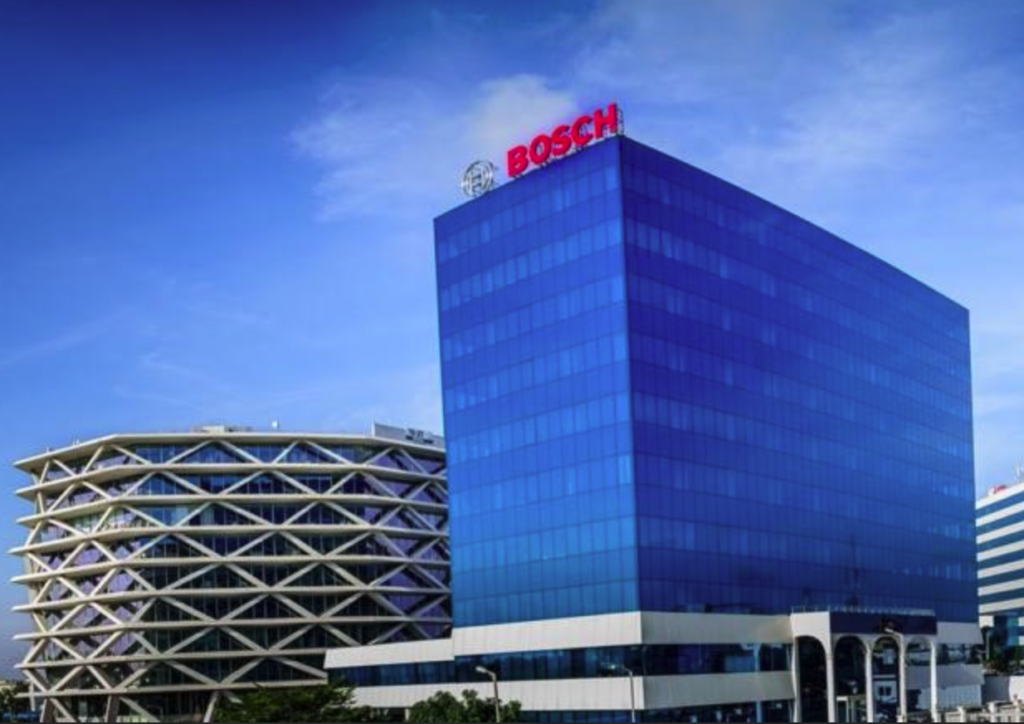
For international companies, finding office space in Ghana is not just a property decision. The building has to support your global standards, your travelling staff and your local team, and the lease has to work for a head office that may be thousands of kilometres away. A good choice makes your first years in the market smoother. A poor one can slow your launch and cost you more than it should.
This guide explains what international and multinational tenants should look for when choosing office space in Ghana: the building, the location, the lease terms and the practical steps that come before you sign.
Why international companies are setting up in Accra
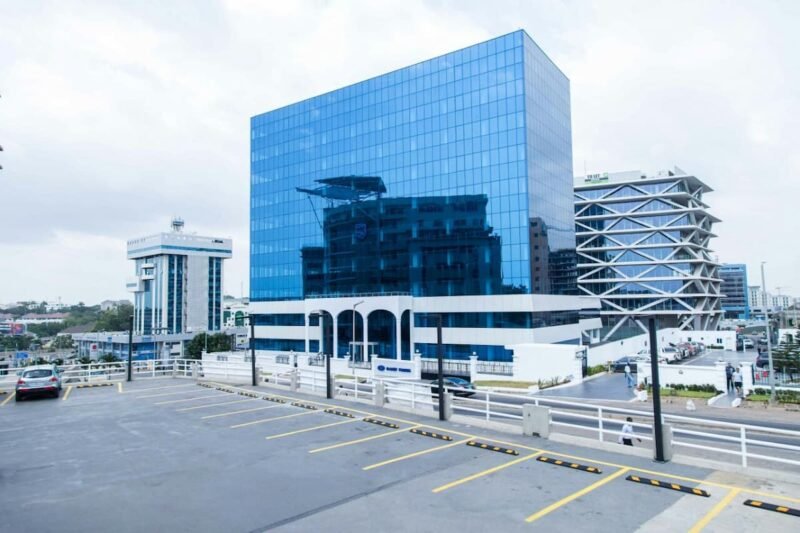
Accra has become a natural base for companies entering West African markets. English is the language of business, Accra International Airport connects the city to major hubs, and the capital hosts a growing community of multinationals, banks, development organisations and professional services firms. The African Continental Free Trade Area (AfCFTA) Secretariat is also headquartered in Accra, which adds to the city’s profile as a regional centre.
For tenants, that growth means more choice, but also more variation in building quality. That is why a clear checklist matters.
What international tenants should look for in an office building
The points below are the ones that tend to matter most to companies with global standards and travelling teams.
Reliable power and infrastructure
Consistent electricity is the first thing to check. Ask what backup power the building has, how many hours of coverage it provides, who pays for fuel and maintenance, and whether it is included in the service charge. Also ask about water supply and air conditioning capacity, since those affect daily comfort.
Security and safety
International companies usually have strict security and duty-of-care policies. Look for controlled access, 24-hour security, CCTV, secure parking, and clear fire safety and emergency procedures. Ask to see the building’s fire safety documentation as part of your due diligence.
Connectivity
Fast, stable internet underpins video calls with head office and cloud-based systems. Ask which providers serve the building, whether there is more than one fibre route, and whether you can bring in your own provider.
Building quality and sustainability
Many multinationals have sustainability goals and may ask for evidence of green building practices. Ask whether the building has any recognised certification or efficiency measures, and what it does on energy and water use. Even without a formal certificate, a well-designed building with efficient systems is easier to defend in a global sustainability report.
Floor plates and layout flexibility
Space that can be arranged to suit your team saves fit-out cost and wasted area. Ask about floor sizes, ceiling heights, column layout and whether the landlord allows partitioning, so you can plan how many desks and meeting rooms fit comfortably.
Parking and access
Visitors, executives arriving from the airport and staff who drive all need easy access. Check the number of parking bays, visitor parking, drop-off arrangements and how long the journey from the airport takes at peak times.
Documentation and compliance
Your legal and compliance teams will want to see that the building is properly documented. Ask for evidence of ownership or title, permits and approvals, and the standard lease terms, and have a Ghanaian lawyer review them.
Choosing the right location in Accra
Many international companies start their search in Airport City and the surrounding Cantonments and Airport Residential areas. These districts combine Grade A buildings, an established corporate community and close access to Accra International Airport, which suits teams that travel often and host visitors from abroad. Rents in these areas are at the upper end of the market, which is why it pays to compare all-in costs rather than headline rent alone.
Other districts, such as East Legon or the CBD, can offer lower rents and different advantages. For a full side-by-side look, read our comparison of office leasing space in Accra by district, or learn more about Airport City as a corporate hub.
Lease terms international companies should clarify
A head office will usually want to review the lease carefully. These are the points worth clarifying early.
- Currency. Confirm whether rent is quoted in dollars or cedis, how any conversion is calculated and how exchange-rate changes are handled.
- Term and break options. Check the length of the lease, whether there is a break clause, and what notice you must give.
- Escalation. Ask how and when rent increases and whether there is a cap.
- Service charge. Get a written list of what is covered, and how the charge can change.
- Advance rent. Confirm how many months are required upfront, as this affects your first-year cash flow.
- Fit-out and reinstatement. Check what the landlord provides, what you must pay for, and what you must restore when you leave.
- Subletting and assignment. Ask whether you can sublet or transfer the lease, which gives flexibility if your needs change.
- Signage and branding. Confirm what you may display on the building and in common areas.
- Governing law and dispute resolution. Have your lawyer review these clauses.
One practical tip: share the draft lease with your head office legal team early. Corporate approvals often take longer than the negotiation itself, so starting the review in parallel can save weeks.
Before you sign: entity and registration basics
Before you commit to a lease, check how your company will be set up in Ghana, because the landlord will usually ask who the tenant is. A local address is generally required for company registration, so your office lease may be needed early in the process.
Ghana’s investment law changed in 2026. The Ghana Investment Promotion Centre (GIPC) has been replaced by the Ghana Investment Promotion Authority (GIPA), and registration for enterprises with foreign participation now renews annually. Because the rules are recent and the details have been changing, speak to a Ghanaian lawyer or advisor about the current requirements before you finalise your structure and your lease.
Serviced office or long-term lease?
If you are still testing the market, a serviced or flexible office lets you start quickly with lower upfront cost and shorter commitments. As your team grows and your plans firm up, a traditional lease usually becomes better value and gives you more control over layout and branding. Many international companies start with a flexible space and move to a Grade A lease within a year or two. Our guide to how much office space really costs in Accra explains how to compare the options on an all-in basis.
A practical path from search to move-in
- Define your needs. Decide headcount, growth plans, essential services and budget.
- Shortlist two or three buildings. Compare them on infrastructure, location and all-in cost.
- Visit in person. Check power, security, parking and connectivity, and visit at peak times.
- Agree heads of terms. Settle rent, term, service charge and key conditions before the full lease.
- Review the legal documents. Involve your Ghanaian lawyer and head office legal team.
- Plan the fit-out. Agree the scope, timeline and any rent-free period.
- Move in. Confirm access, security passes, parking and connectivity before your team arrives.
How Manet Towers supports international tenants
Manet Towers in Airport City offers Grade A office space designed for companies that need reliable infrastructure and a professional address. We have available backup power, parking, lifts, 24-hour security, connectivity, floor sizes, international tenants and any flexible or serviced options.
If you want to see how it fits your requirements, explore Tower C and arrange a viewing with the team.
Frequently asked questions
What do multinational companies look for in an office in Ghana?
Most look for reliable backup power, strong security, fast and stable connectivity, flexible floor plates, good parking and access, and a lease that is clear on currency, service charges and exit terms. Location and building documentation matter too.
Which area of Accra is best for international companies?
Airport City and the surrounding Cantonments and Airport Residential areas are popular with international tenants because of their Grade A buildings and access to Accra
International Airport. The best area for you depends on where your team and clients are based.
Do international companies need a local company to lease office space?
Landlords often ask who the tenant is and may want to see company documents. Requirements vary by landlord, so confirm early with the landlord and your lawyer, particularly as Ghana’s investment rules changed in 2026.
Are office leases in Ghana quoted in dollars?
Many commercial rents in prime areas are quoted in US dollars, but this varies by landlord. Always confirm the currency, how conversion works and how exchange-rate changes are handled.
Can an international company start with a serviced office?
Yes. A serviced or flexible office is a common first step for companies entering a new market, because it keeps upfront costs and commitments low. Many move to a traditional lease as their team grows.
The right office space for international companies in Ghana combines reliable infrastructure, a location that suits your team and visitors, and a lease that works for both your Ghana team and your head office. Start with a clear checklist, compare options on all-in cost, and involve your legal advisors early.
If you are considering Airport City, speak to the Manet Towers team about viewing Tower C, or download the Ghana Commercial Leasing Report for more on the market.